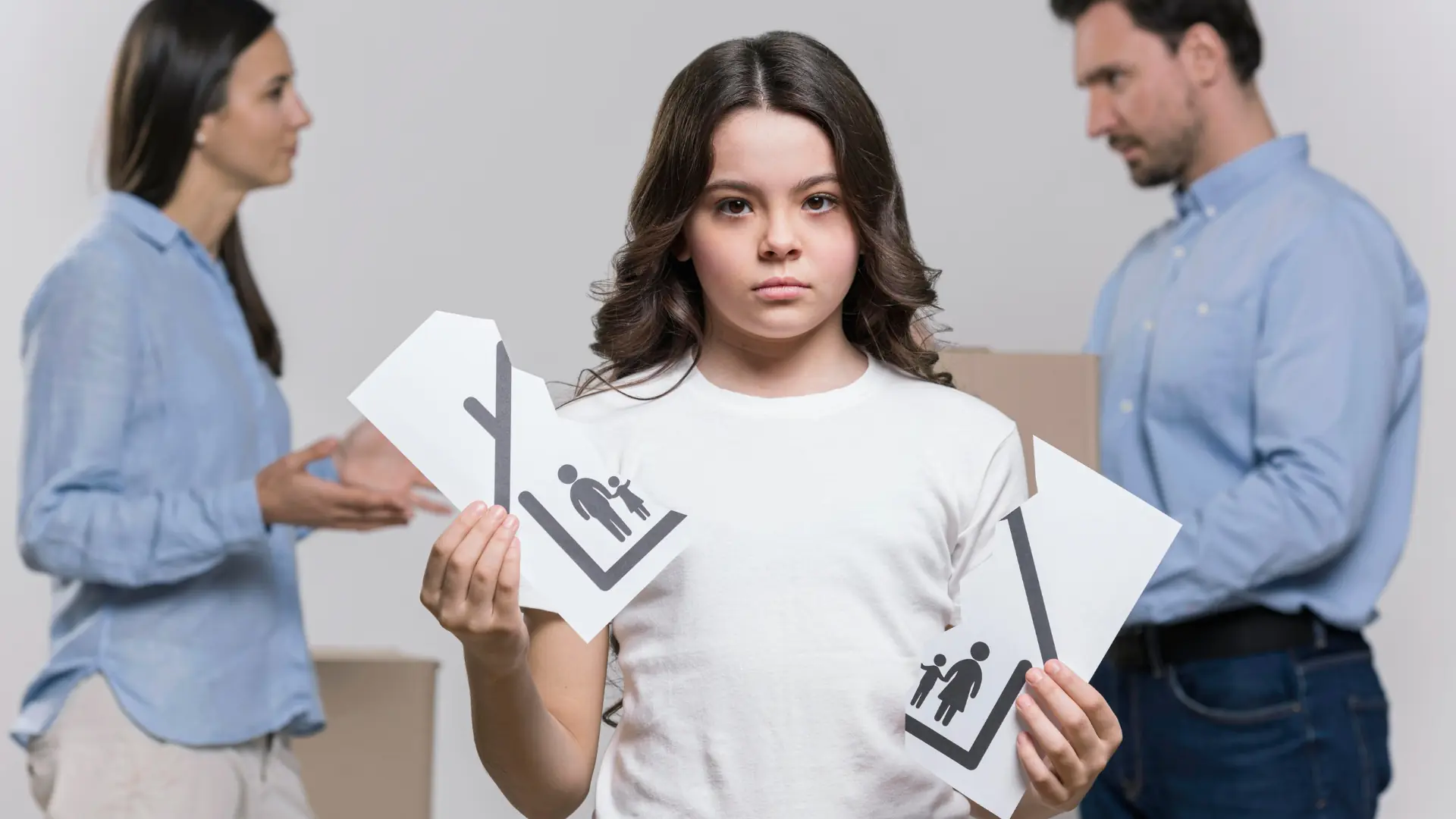
Exposure to parental conflict during separation or divorce can have long-lasting effects on children’s mental, emotional, and even physical health. Research by Dr. Vincent Felitti and other experts on adverse childhood experiences (ACEs) shows that chronic stress and exposure to conflict can increase the risk of mental health issues and certain physical diseases later in life.
Why Conflict Affects Children
Children exposed to frequent parental conflict experience heightened anxiety and stress. According to a CBC Life article by Chloe Stuart Ulin, high levels of anxiety can influence decision-making and long-term health outcomes, potentially contributing to chronic conditions in adulthood.
Even when conflict does not involve physical harm, verbal disputes or tension can trigger stress responses in children, affecting their brain development and sense of safety.
How Parents Can Minimize Harm
For families going through separation or divorce, it is crucial to communicate in ways that do not place children in the middle. Key strategies include:
- Using neutral language and avoiding angry exchanges in front of children
- Seeking tools to move out of a fight-or-flight mindset toward a solution-focused approach
- Modeling respectful problem-solving, which can benefit children’s future relationships
Learning these skills not only helps children adjust but also benefits parents in work and social relationships.
Role of Family Law Professionals
In high-conflict situations, family law lawyers can help guide parents on custody, parenting plans, and strategies to reduce stress and conflict. Effective legal guidance ensures children’s best interests are prioritized while minimizing exposure to ongoing disputes. For more information, visit Chapman Steffler Family Law.
Final Thoughts
Protecting children from conflict is about more than legal arrangements; it’s about creating a safe, stable environment that promotes healthy development. By learning effective communication strategies and seeking professional guidance, parents can help children navigate difficult transitions and reduce long-term negative impacts.
If you want guidance on protecting children and managing high-conflict situations, contact Chapman Steffler for professional legal advice.
Frequently Asked Questions
1. How does parental conflict affect children long-term?
Chronic exposure to stress can impact mental health, cognitive development, and even physical well-being, increasing the risk of future health complications.
2. Can parents reduce the impact of divorce or separation on children?
Yes. Maintaining respectful communication, avoiding putting children in the middle, and seeking guidance from family law professionals can help mitigate harm.
3. When should I consult a family law lawyer?
Parents should seek professional advice when separation or divorce involves high conflict, custody arrangements, or concerns about children’s emotional well-being.